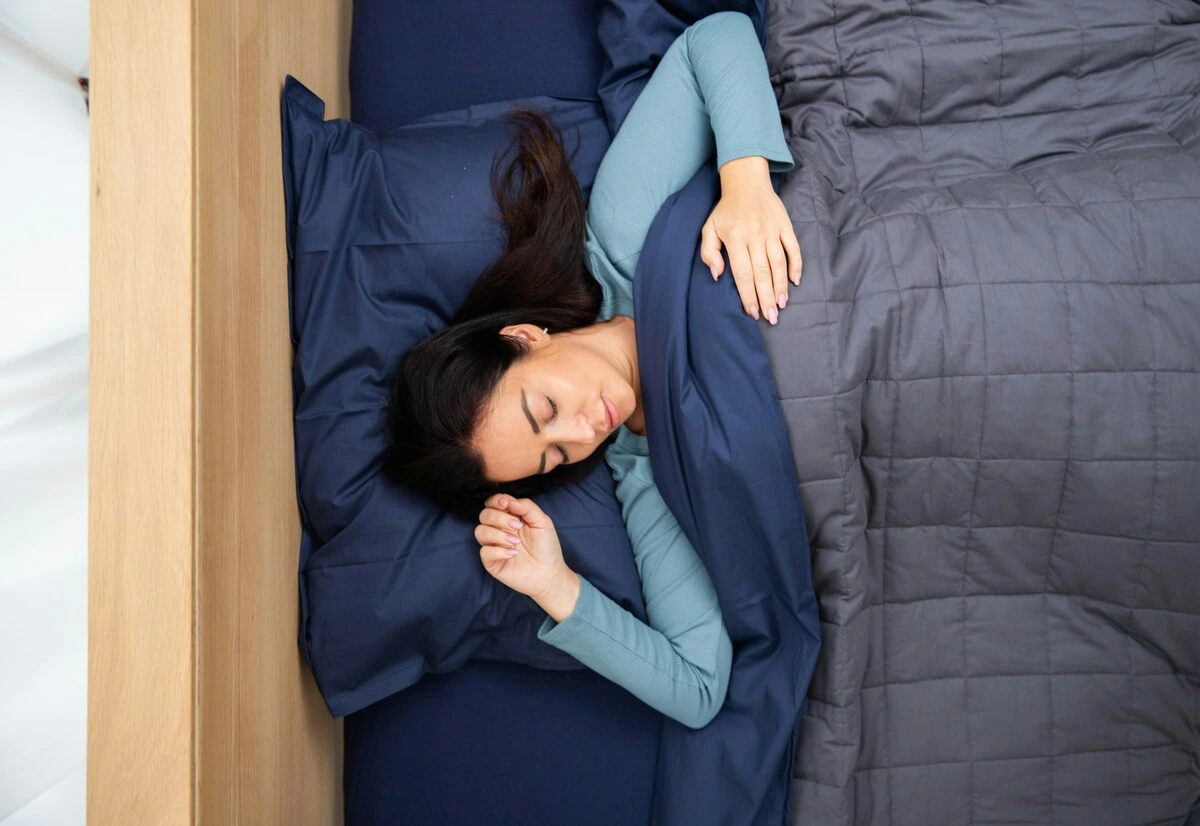
Down vs Synthetic Japanese Comforters: Which Should You Choose?
Choosing Warmth Wisely: The Japanese Way of Comparing Down and Synthetic Comforters
Standing before a wall of comforters, you might wonder: down or synthetic? In Japan, this question isn’t just about filling — it’s about philosophy. The kakebuton, or Japanese comforter, is designed to balance breathability and warmth through every season. Whether filled with natural down or modern microfiber, its purpose is the same: to warm without overwhelming, to hold comfort lightly.
What Makes a Japanese Down Comforter Special
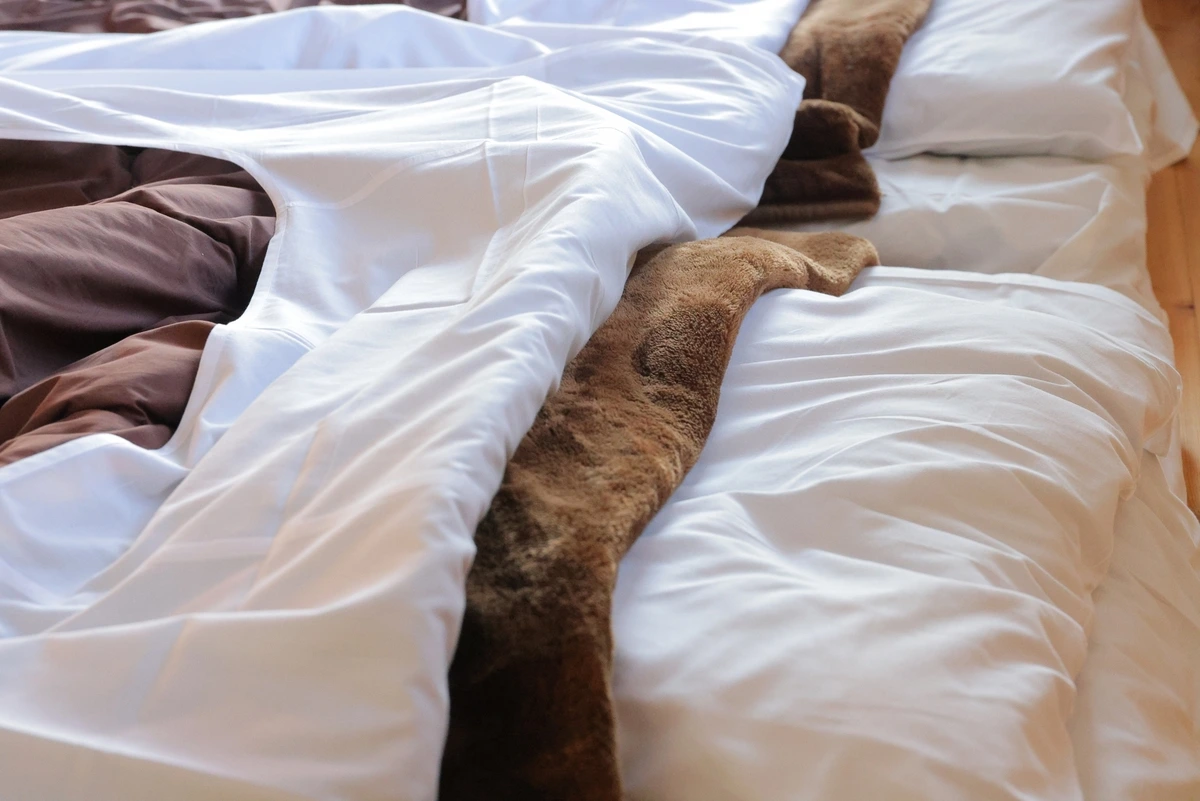 Japanese down comforters are crafted with precision — fine cotton shells, tightly stitched quilting, and high-grade duck or goose down selected for both loft and softness. The air trapped within the down clusters creates natural insulation, forming a warmth that feels light and responsive.
Unlike heavy bedding, a well-made down kakebuton seems to float above you. Its breathability suits Japan’s humid climate, allowing excess heat and moisture to escape through the night.
But such refinement requires care. Down responds best to gentle airing, a ritual known as hiboshi. Sun-drying once or twice weekly for one to two hours per side revives the loft, removes humidity, and restores that faint scent of cotton touched by sunlight — a sensory note of calm often found in Japanese homes.
The Case for Synthetic Fill
Modern synthetic comforters have quietly reached new heights of craftsmanship. Advanced microfibers and hollow-core polyester now mimic the loft of down while offering resilience against humidity and daily wear. Their strength lies in simplicity — reliable warmth with minimal upkeep.
- Easy to wash: Many are fully machine washable.
- Hypoallergenic: A safe choice for sensitive skin or allergies.
- Humidity resistant: Fibers maintain loft even when damp.
For families or busy city dwellers, synthetic kakebuton designs provide low-maintenance comfort that aligns with modern life. No rituals required — just softness that endures.
Down vs Synthetic: A Comparison Table
| Feature | Down Comforter | Synthetic Comforter |
|---|---|---|
| Warmth | Natural insulation; ideal for cold climates | Even warmth; suitable year-round |
| Weight | Extremely light and lofty | Slightly heavier but consistent |
| Breathability | Excellent moisture regulation | Moderate; depends on fiber density |
| Maintenance | Requires sun airing (hiboshi) | Machine washable, easy to maintain |
| Allergy-friendly | May trigger sensitivities | Hypoallergenic |
| Longevity | 10+ years with care | 5–7 years on average |
| Cost | Higher initial investment | Budget-friendly |
Each material carries its own beauty: down’s quiet elegance versus synthetic’s simple practicality. In Japan, both are seen not as opposites but as choices within the same philosophy — warmth guided by mindfulness.
What Japanese Households Prefer
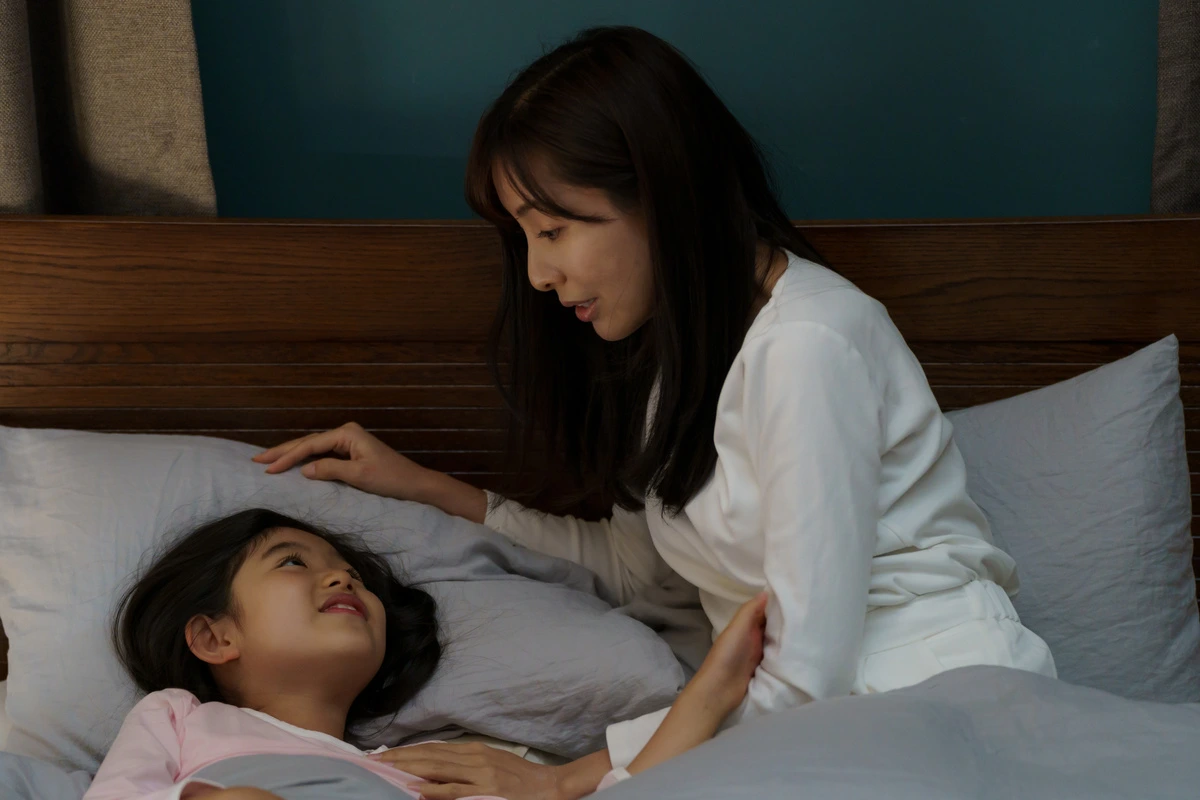 Tradition meets lifestyle in modern Japanese homes. Older generations often cherish down for its natural lightness, a familiar comfort echoing craftsmanship passed down through decades. Younger households, living in compact apartments or humid cities, often lean toward synthetics for their convenience and quick-drying nature.
Some families own both — a down kakebuton for crisp winters, a synthetic one for the long, damp summer. This adaptability captures Japan’s broader philosophy of bedding: to live with the seasons, not against them.
Caring for Each Type
Care brings longevity and comfort. Down comforters benefit from weekly sunlight exposure and gentle shaking to maintain loft. Avoid sealed plastic storage and damp air to protect the delicate clusters inside.
Synthetic comforters thrive on ease. Wash them on a gentle cycle, dry fully — ideally in open air or low heat — and store in a breathable cotton bag. Both types should always be used with removable covers, washed frequently to maintain freshness and hygiene.
In Japan, such small acts of maintenance form part of daily mindfulness — the belief that care itself deepens one’s connection to comfort.
The Gentle Warmth of Choice
Down or synthetic — there is no wrong choice. What matters is awareness: choosing warmth that suits your body, your home, and your rhythm of living. Both paths lead to the same destination — restful, breathable sleep in quiet balance.
In the Japanese sense, comfort isn’t defined by what you have, but how you care for it. Beneath a kakebuton, you don’t just sleep — you breathe with the season, finding peace in the gentle warmth of enough.