Best Japanese Comforter: Top Picks for Every Season
Sleep Well Year-Round: The Best Japanese Comforters, from Light to Warm
Finding the best Japanese comforter is less about luxury and more about balance — warmth without heaviness, breathability without chill. In Japan, bedding design follows the rhythm of the seasons, encouraging you to adjust layers as nature shifts. The right kakebuton keeps you cool through humid summers and comfortably warm when winter air turns still.
 What Makes a Japanese Comforter “Japanese”?
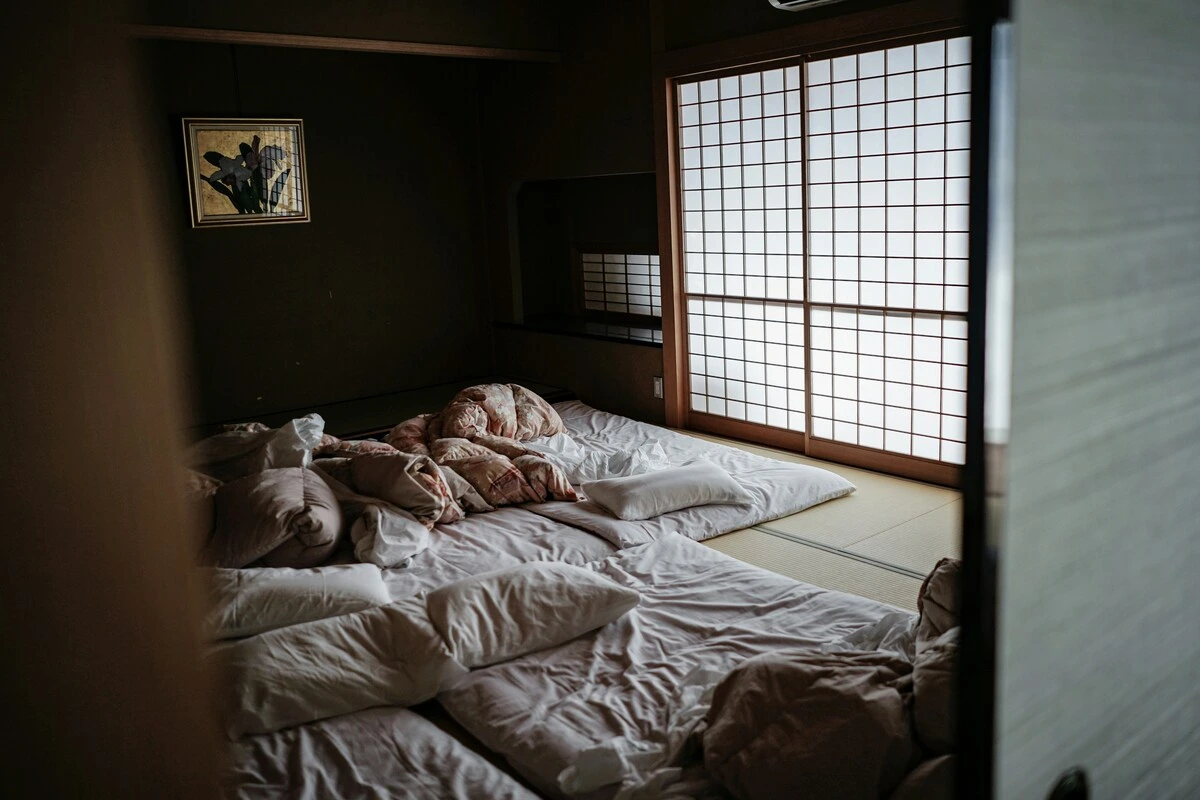
The kakebuton — Japan’s traditional comforter — is built around breathability, balance, and simplicity. Instead of relying on one thick insert for the year, Japanese sleepers choose from seasonal weights and layer as needed. This minimalist philosophy makes the best Japanese comforter not just functional, but harmonious with life itself.
Each layer has purpose: cotton covers that breathe, down that warms gently, and quilting that prevents clumping. In Japan, bedding isn’t just about warmth — it’s about living in rhythm with air, temperature, and time.
 How to Choose by Climate and Season
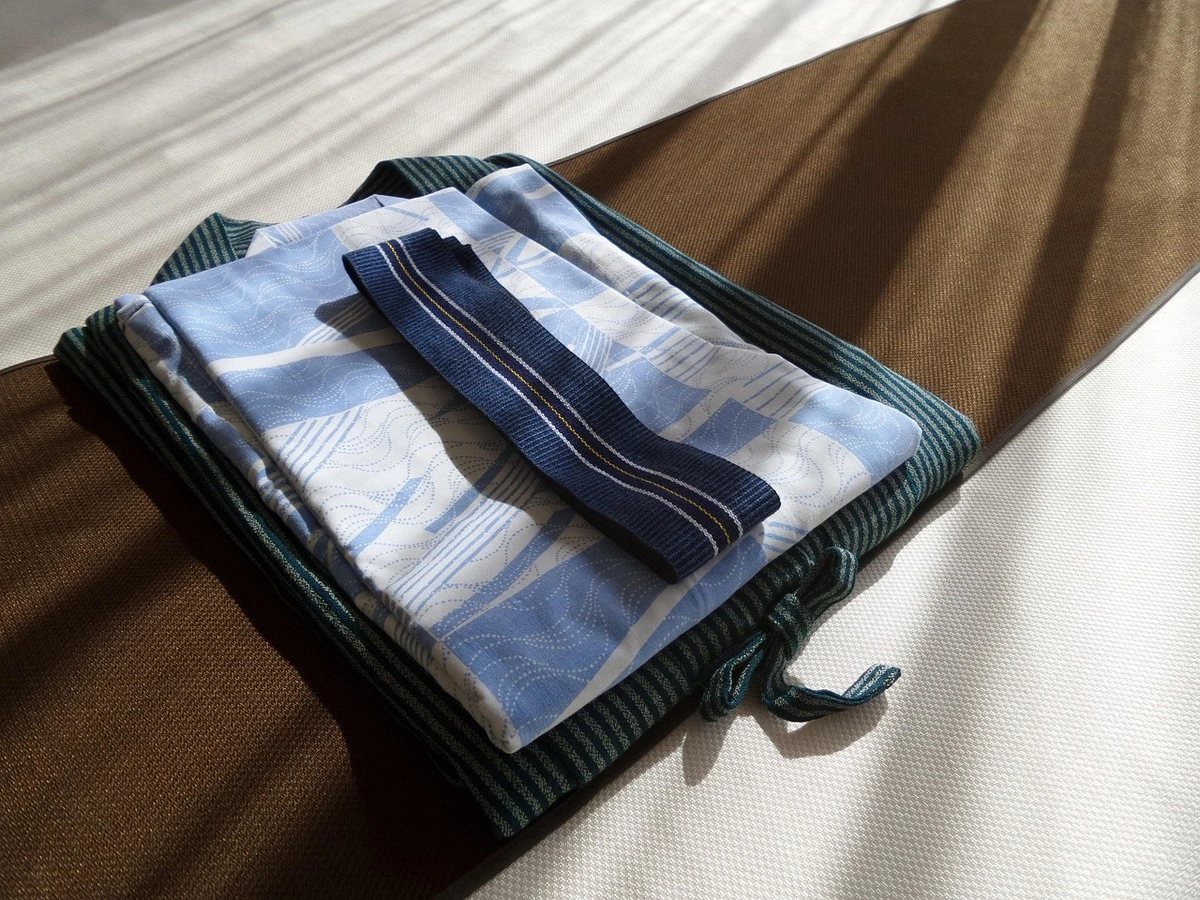
Before buying, consider your home’s climate and how your body responds to temperature changes. The goal is gentle regulation, not insulation overload.
- Summer (≥75°F / 24°C): feather-light down or gauze-style synthetic.
- Spring/Fall (64–74°F / 18–23°C): medium-weight down or high-loft microfiber.
- Winter (≤63°F / 17°C): high fill-power down or double-layered construction.
Hot sleepers should stay with lighter fills and cotton shells; cold sleepers can layer a wool or fleece throw above. The art lies in adapting — a reflection of how Japan designs for both comfort and awareness of the seasons.
Top Picks: Lightweight → All-Season → Warm
- EMOOR Lightweight Down Comforter — Summer-friendly loft and breathable cotton; ideal for humid climates (Amazon US).
- MUJI All-Season Down Duvet (Light Warmth) — Minimalist cotton shell, easy to wash weekly; pure function meets simplicity (MUJI USA).
- FULI Japanese Comforter (All-Season) — Futon-ready size and balanced loft; perfect for tatami or bed setups (Amazon US).
- Airweave Warm Down Comforter — Premium craftsmanship with consistent warmth across the night (Official Site).
- Nishikawa Heavyweight Down Comforter — Deep-winter choice with high fill power and precise quilting (Official Site).
Each one carries a quiet sense of intention — warmth designed not to overwhelm, but to embrace you softly through each season’s change.
Size and Fit: Avoid Cold Spots
Japanese comforter sizing differs slightly from Western standards. To prevent edge drafts, size up when possible — especially if you share your bed or move frequently in sleep.
Quick Sizing Guide (Approx.)
| Bed | Recommended Fit |
|---|---|
| Twin / Japanese Single | Twin or Japanese Single comforter |
| Full / Semi-Double | Full/Queen or Japanese Semi-Double |
| Queen | Queen (size up if sharing) |
| King | King (light sleepers can drop one warmth level) |
Choosing the right size isn’t just about coverage — it’s about calm. A comforter that fits well moves with you, never against you.
Care and Storage Tips
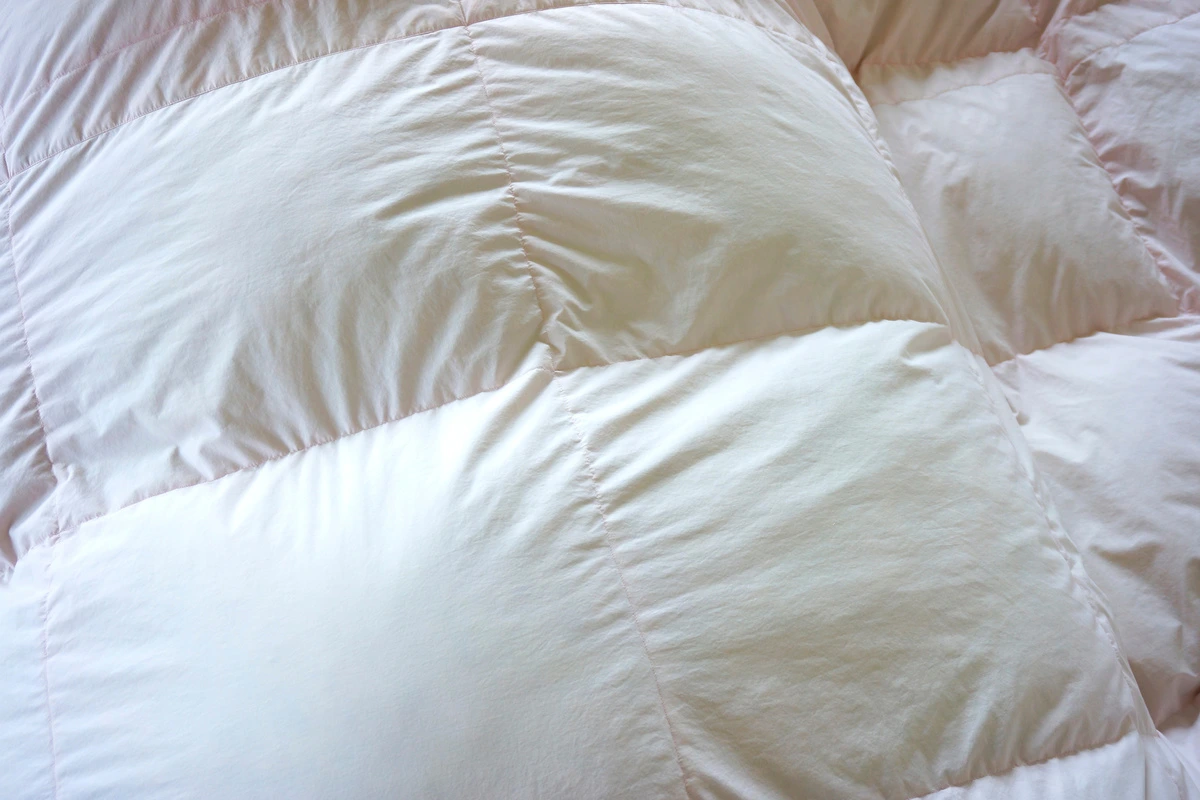 Maintenance in Japan blends function with mindfulness. Always use a removable cover and wash it weekly. Air the insert in sunlight — a practice known as hiboshi — to restore loft and remove humidity. Avoid harsh midday sun for extended periods.
When storing during off-seasons, fold gently and keep in a breathable cotton bag with a desiccant pack. These quiet routines preserve freshness and longevity, turning everyday care into a calming ritual.
FAQs
Q: Down or synthetic — which is better?
Down offers luxurious softness and warmth-to-weight balance, while synthetics dry faster and are allergy-friendly. Choose what feels natural for your climate and lifestyle.
Q: Do I need a top sheet?
In Japan, most sleepers skip it. The comforter cover replaces the sheet, making the setup cleaner and easier to maintain.
Q: Can I use a Japanese comforter on a Western bed?
Yes — just confirm dimensions and, when in doubt, size up slightly for a perfect drape and balanced warmth.
The Quiet Warmth of Enough
When you sleep beneath a Japanese comforter, you feel more than warmth — you feel intention. The fabric breathes with you, the air circulates, and comfort gathers slowly like morning light on tatami. It’s not indulgence, but harmony — warmth that whispers instead of shouts.
True rest, after all, is found not in excess but in balance — the quiet warmth of enough.