Japanese Comforter vs Duvet: Cultural and Practical Differences Explained
The Subtle Art of Sleeping Warm: Japan’s Kakebuton vs Western Duvet
When winter arrives, comfort becomes an art of warmth and breath. In Japan, this balance is embodied by the kakebuton — a comforter that feels soft, light, and quietly warm. Understanding the Japanese comforter vs duvet is not just a matter of bedding design; it’s a glimpse into two philosophies of sleep — one guided by nature’s rhythm, the other by insulation and consistency.
What Is a Japanese Kakebuton?
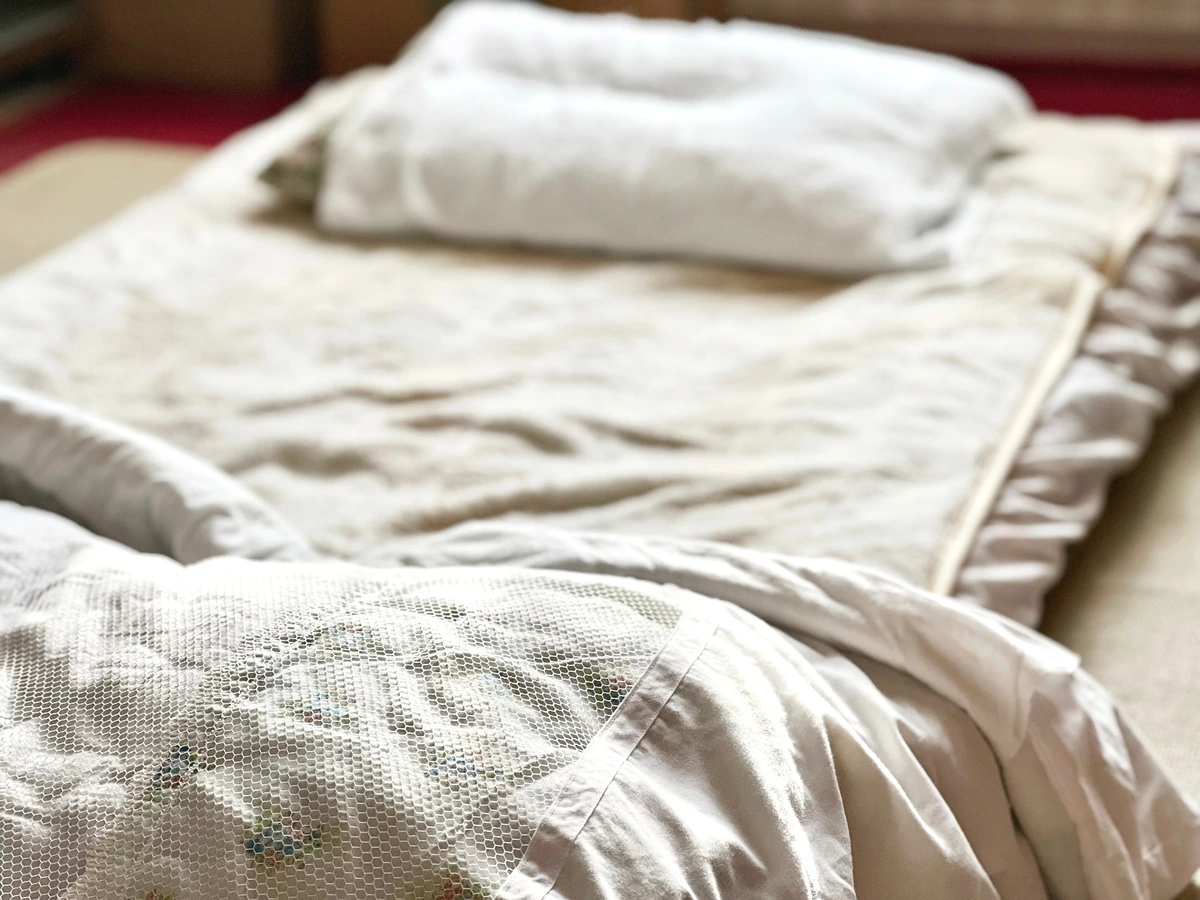
 The kakebuton is Japan’s traditional comforter, typically filled with natural down or fine synthetic fiber and wrapped in a breathable cotton cover. Thinner and flatter than most Western duvets, it is used directly over the sleeper — no top sheet, no heavy layers. Paired with a shikibuton floor mattress, the setup keeps sleep close to the earth, airy, and adaptable.
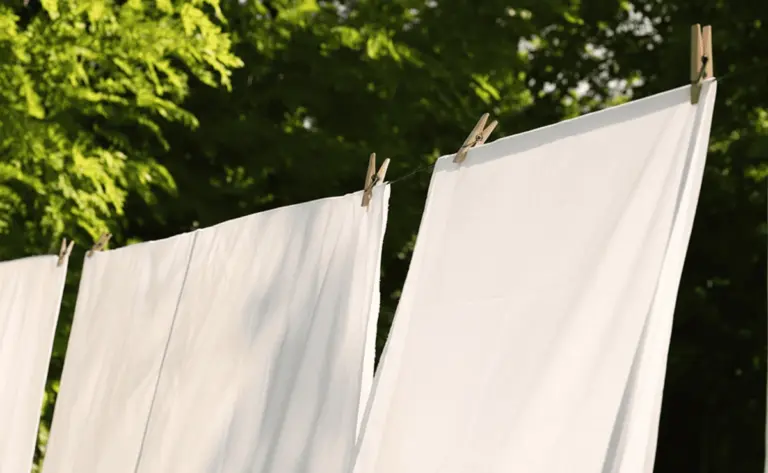
In Japan, bedding is designed for rhythm: aired under sunlight, folded away by day, refreshed by night. The Japanese comforter vs duvet contrast begins here — function aligned with mindfulness rather than permanence.
How a Kakebuton Differs from a Western Duvet
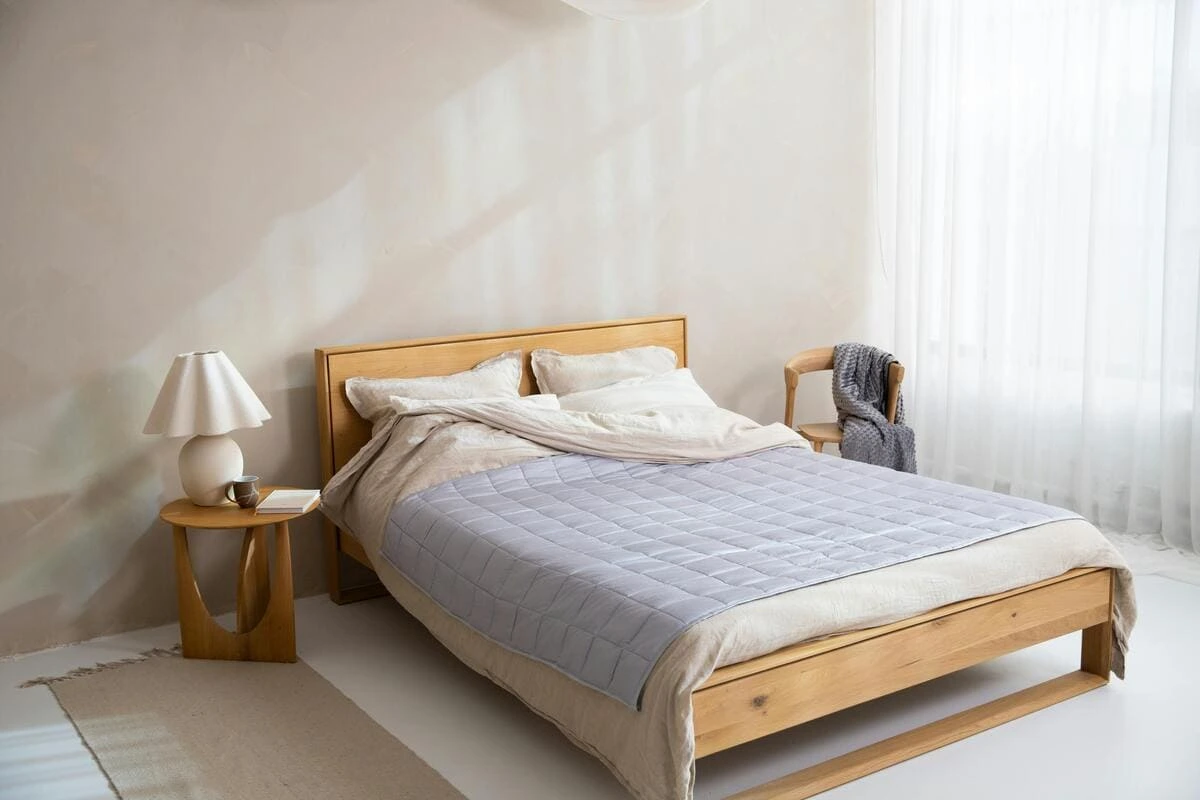 Western duvets emphasize volume and insulation; the Japanese kakebuton values breathability and renewal. A duvet’s lofty thickness holds warmth deep within layers, while a kakebuton invites the air to circulate, adjusting naturally with the seasons. Its design allows regular airing, reflecting a living relationship with one’s surroundings.
| Feature | Japanese Kakebuton | Western Duvet |
|---|---|---|
| Thickness | Thin, compact, breathable | Thick and lofty |
| Filling | Natural down or synthetic fiber | Down, feather, or microfibre |
| Care | Sun-dried regularly | Cover washed; insert rarely cleaned |
| Usage | Used over futon, often without top sheet | Used on mattress, layered with sheets |
Both comforters aim for warmth, yet one seeks equilibrium with nature, the other protection from it. This distinction captures the quiet elegance of the Japanese approach to rest.
Cultural Meaning Behind Bedding Choices
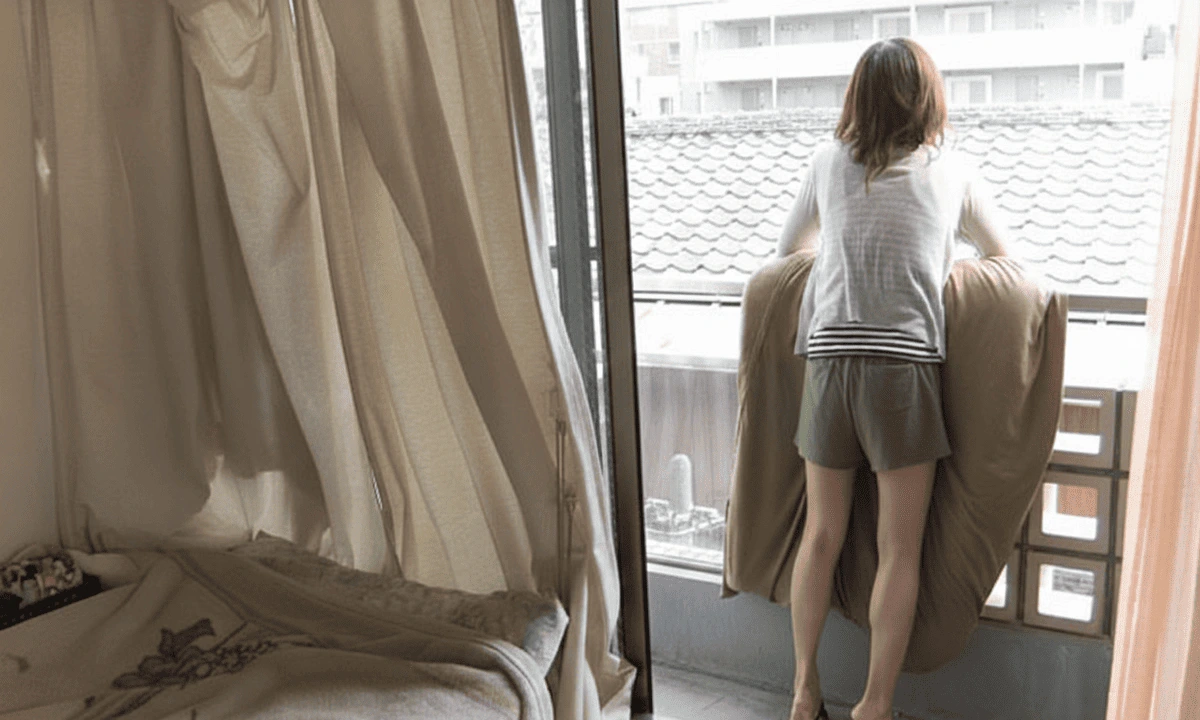 In Japan, sleep has long been intertwined with daily care rituals. The act of sun-drying the kakebuton — called hiboshi — is believed to restore freshness and even energy to the home. In contrast, Western bedding traditions emphasize stability: warmth stored in layers, comfort maintained by design.
The Japanese comforter vs duvet contrast mirrors broader cultural patterns. One prizes simplicity and harmony with the seasons; the other favors permanence and insulation. Neither is better — they simply tell different stories about how we live with the world around us.
Recommended Comforters Available in the U.S.
If you’d like to experience the light, breathable warmth of a Japanese-style kakebuton, these options capture that quiet refinement:
- EMOOR Kakebuton Comforter — Lightweight and breathable; made in Japan for futon use (Amazon US).
- Airweave Light Down Comforter — Premium Japanese design with all-season adaptability (Official Site).
- FULI Japanese Futon Comforter Set — Authentic futon bedding that brings Japan’s minimalist sleep culture home (Amazon US).
In Japan, warmth isn’t about weight — it’s about breath and balance. The kakebuton offers both, inviting you to rest beneath comfort that feels alive to the air around you.