How to Sleep Comfortably with a Buckwheat Pillow: Setup, Adjustments & Tips
Sleep Close and Cool: A Gentle Guide to Buckwheat Pillows
Comfort begins with attention. The true change comes from how to sleep with a buckwheat pillow that’s tuned to your body—loft balanced, air moving, pressure eased. In Japan, this traditional pillow is called sobakawa, cherished for adjustable support and naturally cool rest.
Why Fit and Loft Matter More Than You Think
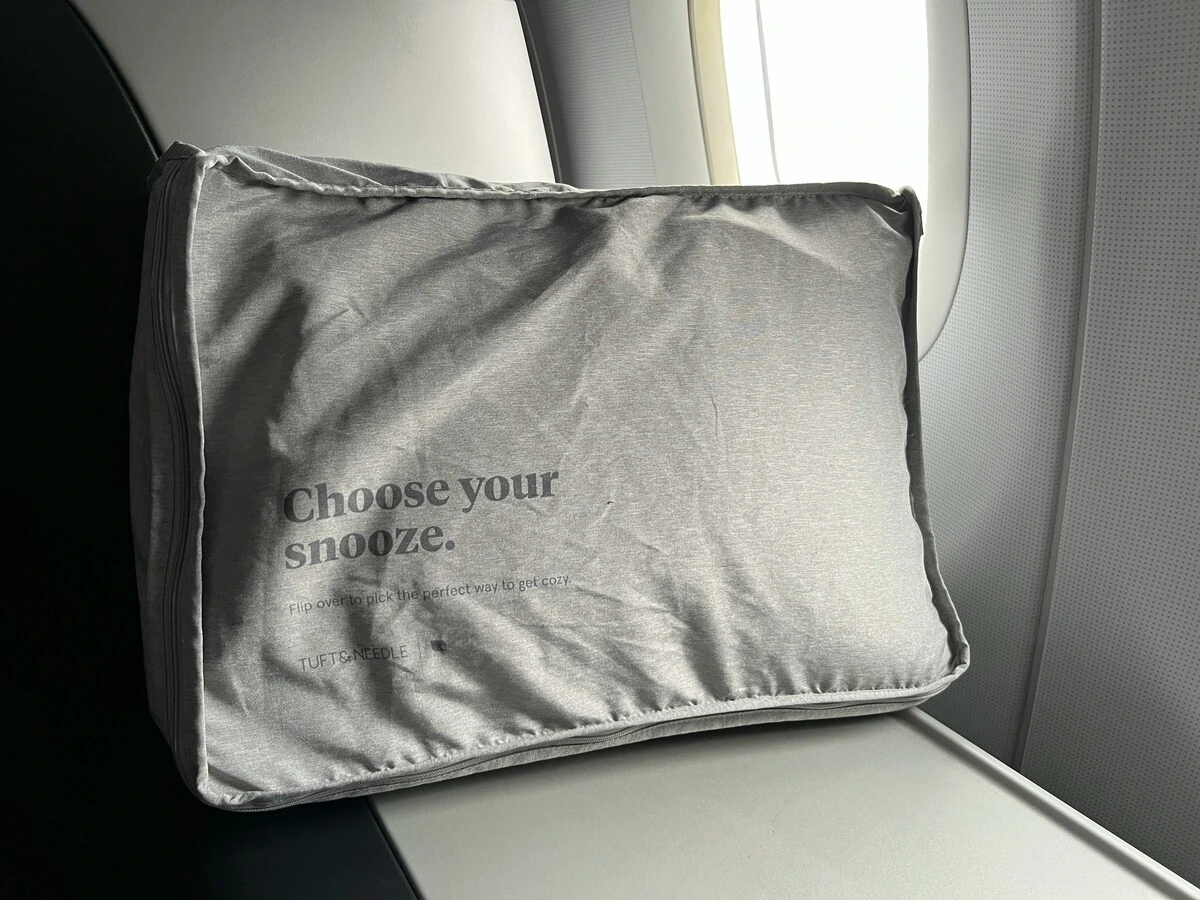 The secret isn’t the brand—it’s how to sleep with a buckwheat pillow that’s adjusted to you. When loft is right, your nose aligns with your spine, muscles soften, and breath deepens. A proper fit often helps more than swapping to a new pillow.
Signs of a Good Fit
- Your head rests level—neither pitched forward nor arched back.
- Neck feels supported without pressure points.
- You can stay still without fidgeting for height.
Step-by-Step: Adjusting Your Buckwheat Pillow
Small, patient tweaks are how to sleep with a buckwheat pillow comfortably—let the hulls do quiet work.
- Open the zipper and remove a handful of hulls.
- Lie down for 2 minutes so the hulls settle naturally.
- Add or remove until support feels neutral—not lifted.
- Shape a cradle beneath the neck and smooth the surface for the head.
Tip: Store removed hulls in a breathable bag; you may add them back later.
Finding Your Ideal Sleep Position
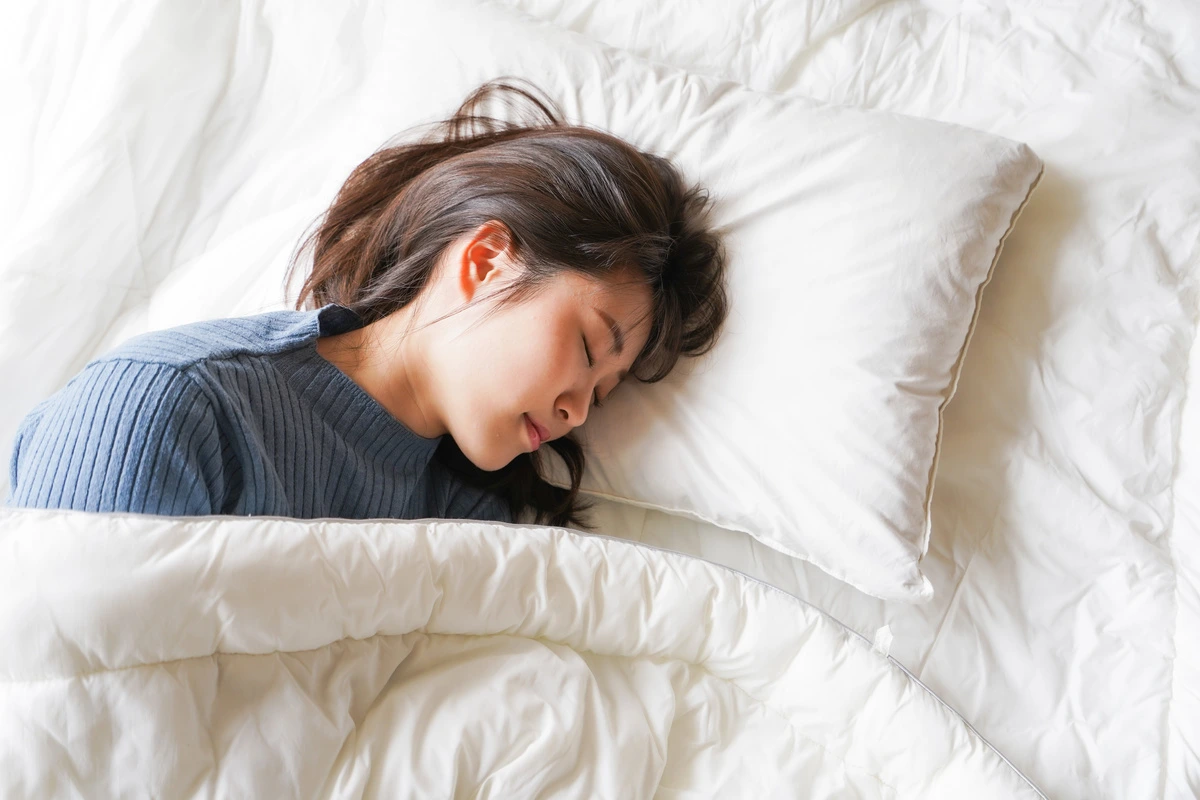 Match loft to posture to preserve neutral alignment and reduce strain.
- Back sleepers: Moderate loft keeps head in line with shoulders.
- Side sleepers: Slightly higher loft fills the shoulder–ear gap.
- Stomach sleepers: Minimal loft; sometimes the thinnest possible.
Comfort Boosters: Covers, Scents, and Cooling Tricks
Breathable textures amplify the pillow’s natural cool. Choose cotton or linen covers for airflow, and avoid thick synthetics that trap heat. A hint of lavender or hinoki on the outer cover calms the mind. In summer, let the pillow breathe near a window before bed; in winter, gently warm the cover—not the hulls.
Care & Refresh (Hiboshi)
In Japan, airing bedding in sunlight—hiboshi—keeps fibers dry and lively. Treat your sobakawa the same way.
- Sun-dry periodically to release humidity.
- Replace hulls every 3–5 years or when they flatten/clump.
- Clean the cover only; never wash hulls.
- Address odor or clumping promptly as signs of moisture.
Recommended Buckwheat Pillows (Available in the U.S.)
- EMOOR Buckwheat Pillow — Traditional sobakawa feel with zippered adjustability (Amazon US).
- Hullo Buckwheat Pillow — US-made hulls, breathable cotton, fully adjustable (Official Site).
- ComfyComfy Buckwheat Pillow — Durable cotton twill, clean hulls, size options (Official Site).
The Quiet Balance of Rest
When nighttime air slows and fabric breathes, small mercies appear: a neck released, a head held lightly, warmth carried away grain by grain. Learning how to sleep with a buckwheat pillow is less about firmness and more about shaping stillness—until coolness feels like agreement between body and air.